
From Chaos to Clarity: How Clean and Organized Workspaces Can Increase Productivity


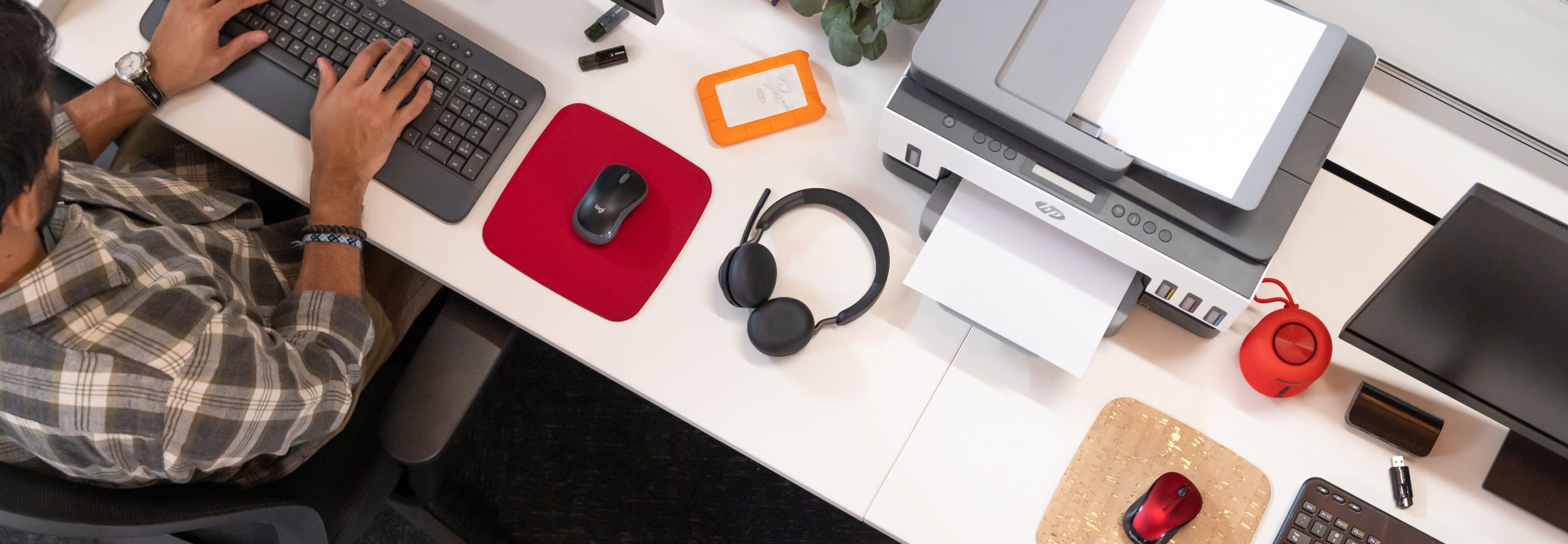
See if this scene feels familiar to you:
You’re walking through your department at work, and you notice that your team’s workspaces look — disheveled, to put it nicely.
Cables and device chargers are tangled into a chaotic spiderweb across every desk surface. Sticky notes are plastered everywhere, like confetti after a parade.
You detect a faint bitter smell in the air from the half-full coffee cups left over from yesterday. Piles of papers are precariously stacked, teetering on the edge of desks, while forgotten pens and supplies are strewn about, adding to the chaos.
Employees strain their eyes, squinting in discomfort, as they struggle to find focus in an environment that assaults their senses.
Sticky residue from forgotten snacks lingers on desk edges, and there’s a constant shuffle of items as someone searches for a pen buried under the clutter.
The disorganization feels overwhelming, making it hard for anyone to focus.
Recognize any of this? If so, that messy workspace might be quietly disrupting your team's productivity and well-being. The Harvard Business Review points out that clutter raises stress, hurts focus and overloads your brain.1
The good news? One study found that 41% of employees believe that a tidy and organized workspace is key to enhancing productivity.2 It appears that just a few simple changes can make a big difference for both you and your team.
Today, we’ll break down how clutter impacts your work, why a clean workspace matters, and easy ways to get organized and boost performance.

Clutter’s Cognitive Costs
The Negative Effects of a Messy Workspace
A cluttered desk area is often distracting, sometimes a bit smelly, and it all goes downhill from there. Let’s look at the five most common ways that clutter can sabotage your team’s day-to-day work:
Reduced Productivity
Clutter leads to wasted time and interrupts workflow by making tools and documents harder to find.
Overloaded Cognitive Resources
Our brains take in about 11 million pieces of information every second but can only process 40 to 50 bits in the same time.3 Clutter adds unnecessary information for your brain to process.
Encouraged Procrastination
Stacks of papers or unfiled emails often feel overwhelming, leading employees to put off tasks.
Damaged Workplace Relationships
Messy workspaces can lead to perceptions of disorganization or unprofessionalism among colleagues.
Stress and Emotional Exhaustion
The added frustration of navigating a cluttered workspace increases stress and affects emotional well-being.

Clean Equals Clear
The Positive Effects of a Tidy Workspace
On the flip side, a clean and organized environment fosters worker clarity, creativity and better focus. Employees say they feel less stressed, collaborate better and even take fewer sick days in a tidy environment. Here’s why it makes a difference:
Focus and Efficiency
A clean workspace reduces distractions and enables uninterrupted workflows. Teams in clean offices have reported 15% higher productivity rates due to reduced stress and improved workflow.1Health and Wellness
Regular cleaning reduces allergens and bacteria, creating a healthier workspace. Did you know the average desk contains 400 times more bacteria than a toilet seat?4Longer Equipment Life
Dust-free electronics and organized setups prevent wear and tear, cutting repair costs and downtime.
