
7 Steps to Increase Office Productivity


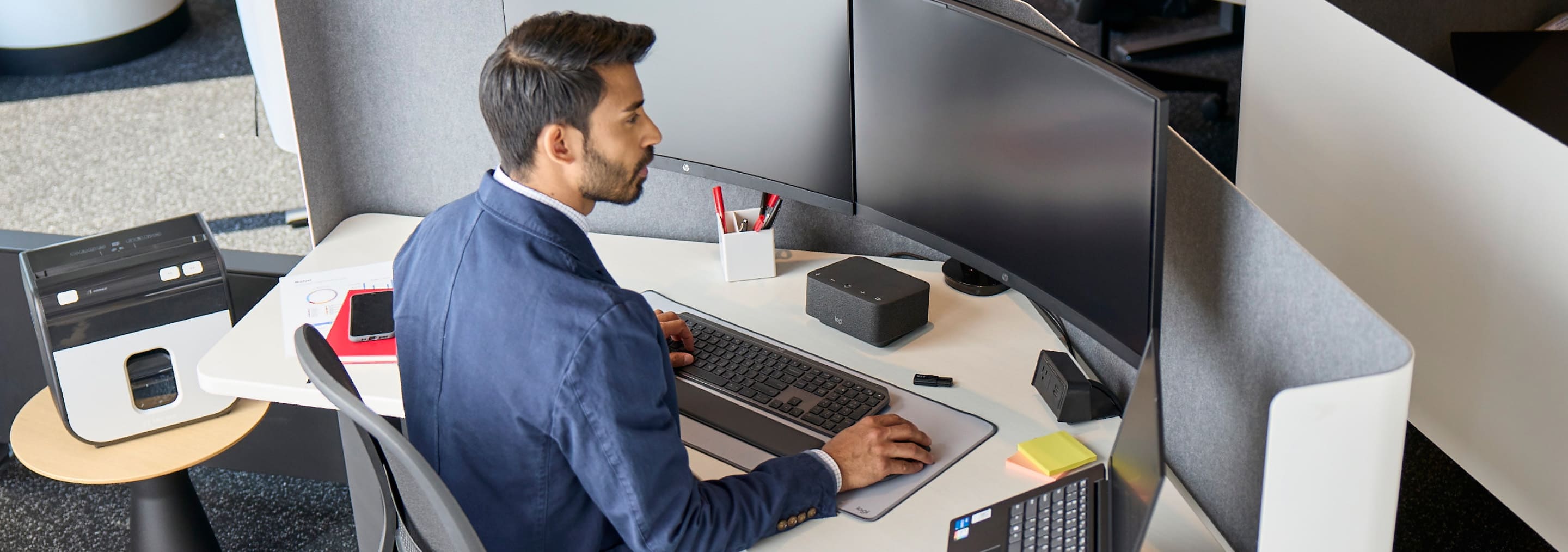
Albert Einstein may be renowned for his insights into the mysteries of the universe, but when it comes to office organization, he might have missed the mark a bit. That’s because science has established a clear correlation between neat, organized workspaces and the levels of productivity that can emerge from them. Put simply, cluttered workspaces and offices can have wider implications beyond mere aesthetics. Brother UK, a supplier of technology solutions, interviewed more than 2,000 office workers regarding workplace clutter. The survey revealed that:

But have no fear. We’ve examined reams of research on the science of clutter to assemble seven practical steps that can transform your workspace into a productivity-enhancing haven.
The science behind the clutter
From a messy person’s perspective, it might be easy to discount the correlation between being organized and productive. Can a seemingly small aspect of work life — office organization — really make a big difference?
How can desk clutter cause work sputter?
Turns out, it’s a visual thing. Using functional magnetic resonance imaging (fMRI), the Princeton University Neuroscience Institute found that cluttered environments hinder concentration and hamper focus.1
When your workspace is cluttered, your brain receives multiple visual stimuli at once, leading to cognitive overload. This means your working memory has to work harder just to process all the clutter it sees — leaving little remaining brain power to focus on the tasks at hand.

Wait, it gets worse. The psychological implications of clutter can be profound. Elevated levels of the stress hormone cortisol have been observed in individuals who work in cluttered environments.2 This chronic stress response not only affects your mental ability, but also has tangible effects on your physical health.
Clutter can even negatively affect interactions with coworkers. Social researchers found that cluttered environments can hinder our ability to accurately interpret emotional expressions (because we’re distracted by all the clutter).3 This can lead to miscommunications and strained relationships with colleagues.
So, to clarify, science confirms that office clutter can make you mentally slow, emotionally stressed and socially misread — none of which are traits typically found in highly productive workers.
